









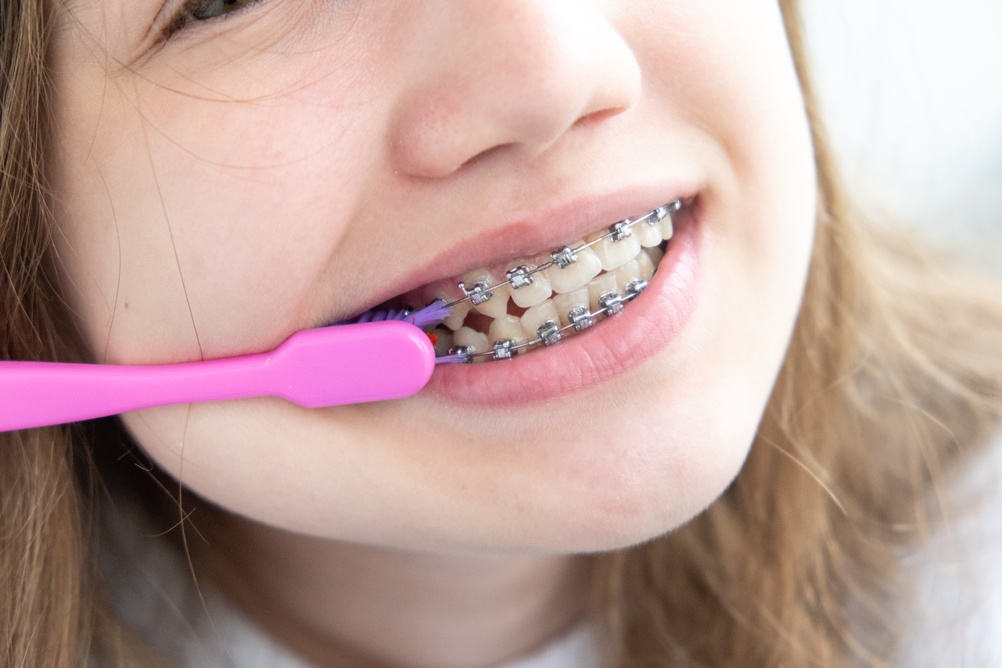
Broken or Loose Bracket? Good Habits First, Calm Decisions Next
Orthodontic brackets are designed to stay attached to your teeth, not to break as a routine part of treatment. They help the wire guide your teeth into position. A loose bracket is an interruption to that work, not a scheduled feature of it. That makes everyday habits worth taking seriously. Braces are precise appliances, but they are not an invitation to test the structural integrity of a caramel.
Food Habits Do Much of the Preventive Work
Hard, sticky and chewy foods can loosen brackets or bend wires. Ice, hard sweets, popcorn kernels, nuts, caramels and taffy are best left off the menu while you have braces. A moment of enthusiasm at the snack cupboard can mean an extra visit to the orthodontist.
How You Eat Matters, Too
-
Slice apples and pears rather than biting into them whole.
-
Cut sandwiches and pizza into manageable pieces.
-
Avoid hard crusts.
-
Take corn off the cob.
A joyful and nutritious diet is possible with a little less force on the hardware.
Choose varied, nutritious foods that are easy to chew. Follow the brushing and flossing instructions we shared with you verbally and via the video link, keep scheduled appointments, and wear an appropriate mouthguard for sports or activities with a risk of impact. These habits reduce the chance of damage, but they cannot prevent every mishap. A loose bracket is absolutely a reason to call us. If something does come away, the next step is to protect your mouth and get advice.
How to Recognize a Loose Bracket
A bracket that has detached from the tooth may still be threaded onto the wire. It might slide, rotate or feel different against your cheek. Sometimes a bracket comes off completely.
-
Inspect carefully: Look in a well-lit mirror, but resist repeatedly testing it with your finger or tongue. Excessive handling can turn a small repair into an afternoon project.
-
Contact our office promptly: Call even if nothing hurts. Tell the team which area is affected, whether the bracket is still on the wire, and whether there is pain or irritation.
-
Send a photo: A clear photograph can help explain what has happened. Take one and text it over to us.
Steps to Follow:
If the Bracket is Still on the Wire:
-
Do not pull it off or try to glue it back onto the tooth. Household glue has no place in orthodontic treatment, however persuasive the label may be.
-
Use orthodontic wax: If it is rubbing against your cheek or lip, cover the irritating area with orthodontic wax while you seek advice.
-
Adjust diet: Choose soft foods and avoid further pressure on the loose bracket.
-
Leave hardware alone: Please do not try to reposition it or alter the wire without direct instructions from a member of the orthodontic team.
If the Bracket Comes Out:
-
Let the office know right away: Contact us rather than simply waiting for your next scheduled visit.
-
Prevent delays: A detached bracket may interfere with treatment, and your orthodontist should decide when it needs repairing. If the bracket is not repaired in a timely fashion based on our recommendation it can add time and cost to your treatment.
A Missing Bracket Needs a Little More Thought
If you cannot find a bracket, do not assume it has simply fallen out. Tell your orthodontist if you think it may have been swallowed. The advice depends on the object and any symptoms; a small bracket and a sharp piece of wire are not the same situation.
-
If you suspect a piece has been inhaled: Seek immediate emergency medical assessment, even if breathing seems comfortable. Choking, difficulty breathing or difficulty swallowing require emergency help. Call 911 if breathing is impaired or the person is choking.
-
If a piece may have been swallowed: Seek urgent medical care if there is chest pain, abdominal pain, vomiting or other concerning symptoms. A suspected swallowed sharp piece of wire also needs urgent medical assessment. Do not rely on reassurance from the internet in place of advice about the actual object.
Comfort Measures Are Temporary, Not Repairs
Orthodontic wax can help protect irritated cheeks and lips. A warm salt-water rinse may soothe minor irritation. Keep brushing and cleaning carefully around the appliance as your orthodontic team has advised.
Do not attempt to reattach the bracket or undertake a wire repair without specific instructions from the team. If pain persists or worsens, contact the office rather than repeatedly trying home remedies.
Heavy or uncontrolled bleeding, serious facial injury, or severe pain with facial swelling or fever needs urgent medical or dental care. Trouble breathing or swallowing is an emergency, not something to wait on until the office opens.
Can It Wait Until the Next Appointment?
Sometimes it can, but let your orthodontist make that decision. A painless loose bracket may still affect how the appliance works. The team can assess whether you need an earlier visit or whether repair can safely wait until your scheduled appointment. The sensible sequence is simple: notice the problem, make yourself comfortable, and call. There is rarely a prize for quietly tolerating a bracket that has taken early retirement.
Advice from Greater Boston Orthodontics in Waltham, MA
Good food habits and careful appliance care help keep treatment on course. When something does go wrong, timely advice is more useful than either panic or an ambitious home repair. Contact Greater Boston Orthodontics if a bracket is loose, broken or missing. We can help you work out the next step. For breathing difficulties, uncontrolled bleeding or a serious injury, seek emergency care first.